
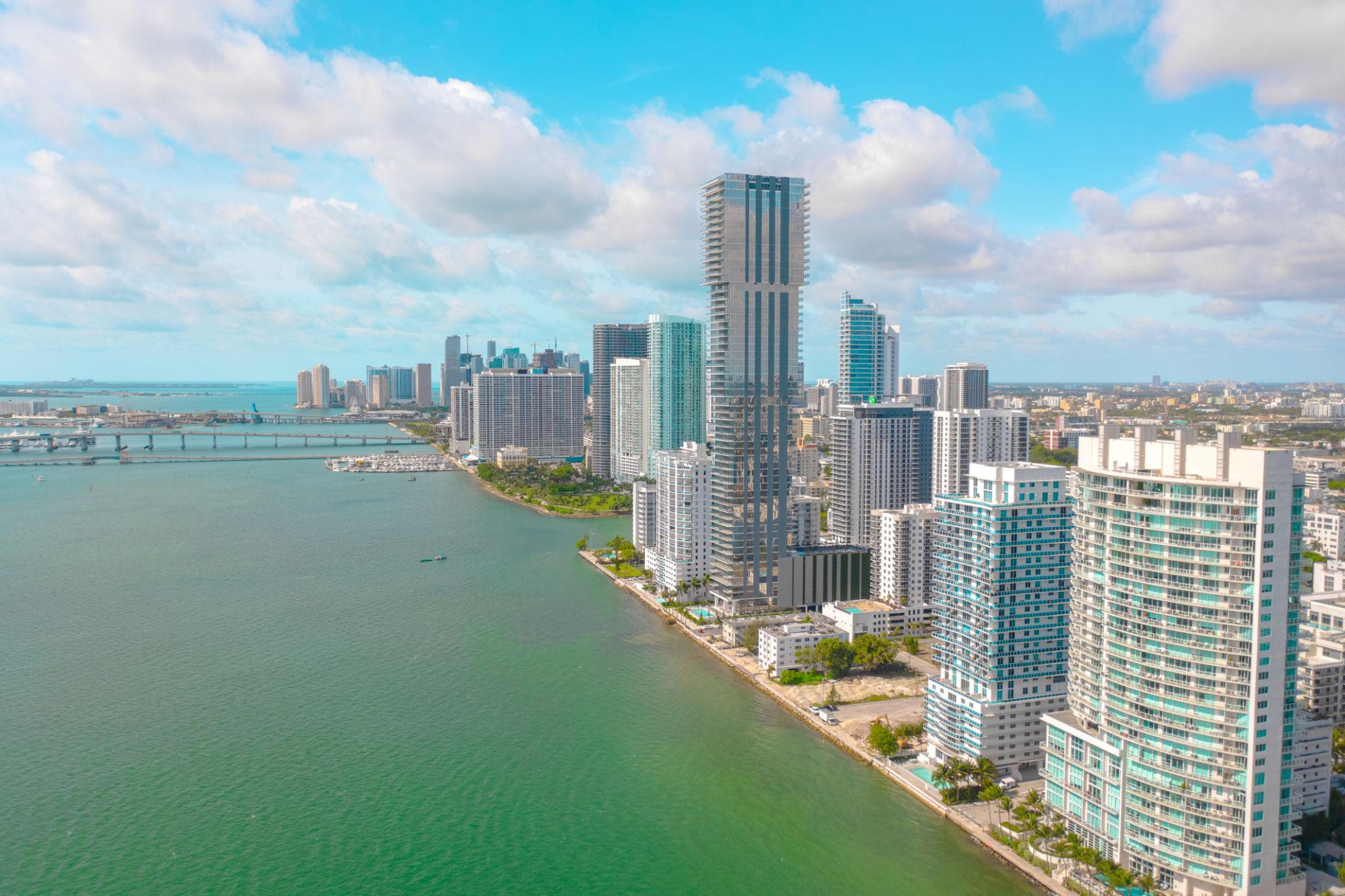
Over the past decade, Miami real estate has created meaningful wealth—but not all neighborhoods have followed the same path, or delivered returns in the same way.
When comparing Edgewater and Brickell, the distinction goes far beyond price per square foot. It’s about timing, supply, buyer profile, and where each neighborhood sits in its market cycle.
Looking at the last 5–10 years through a fundamentals-driven lens—absorption, inventory pressure, livability, and real appreciation—these two neighborhoods tell very different stories.
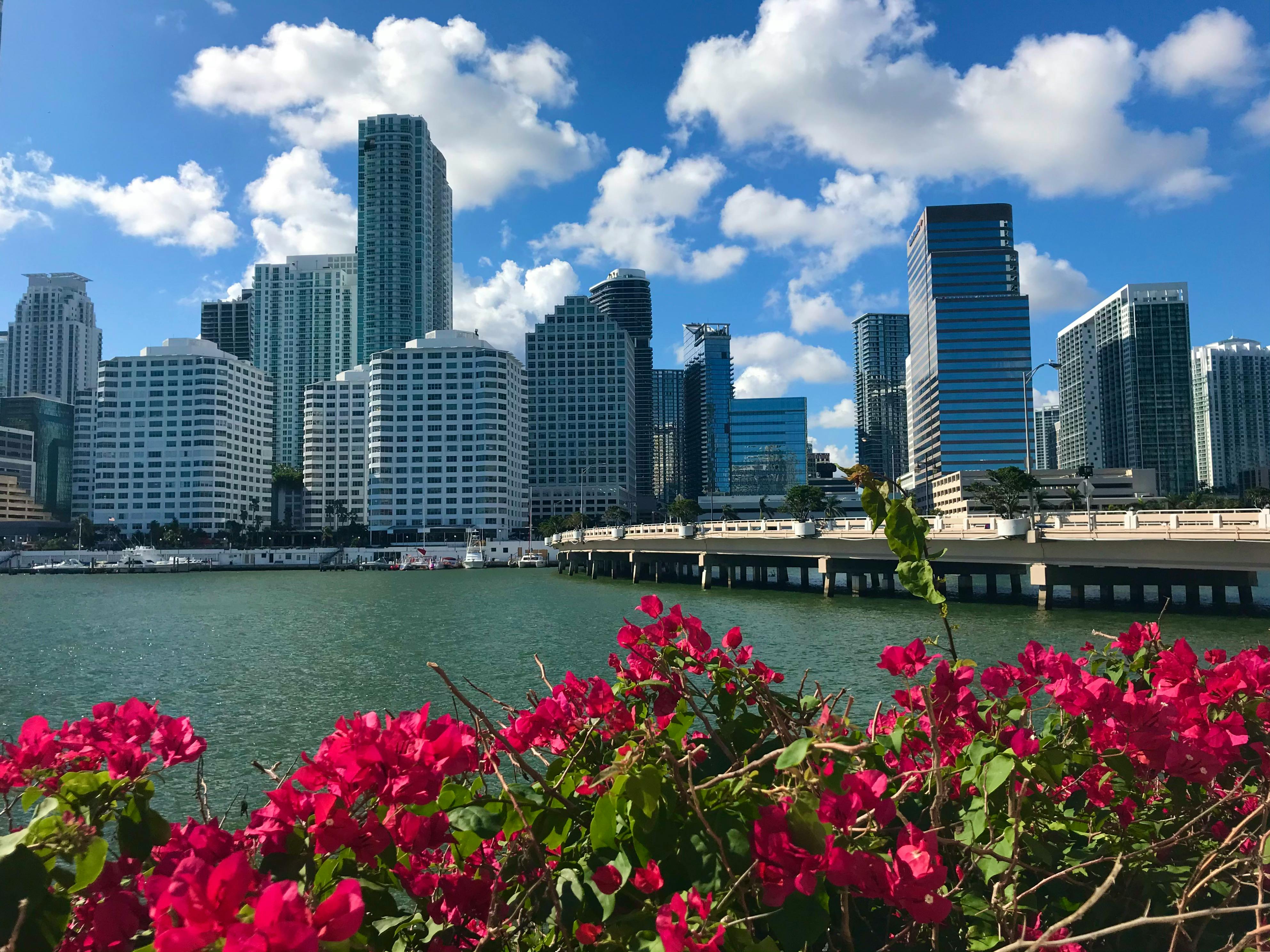
Brickell: The Early Winner That Became Fully Priced
Between roughly 2013 and 2018, Brickell experienced one of the strongest growth cycles in South Florida.
What fueled Brickell’s rise
Rapid transformation into a global financial and lifestyle hub
Significant infrastructure and mixed-use development
Strong international demand
High-density zoning that enabled fast project delivery
Prices climbed quickly, and early buyers were rewarded with substantial appreciation.
By 2019–2020, however, Brickell began to show the traits of a mature market:
Dense inventory concentration
Higher price-per-square-foot ceilings
More competition among comparable units
Appreciation shifting from growth-driven to stability-driven
Brickell didn’t lose value—it stabilized. Over the past five years, price gains have continued, but at a slower, more incremental pace relative to earlier cycles.
Help me choose the right neighborhood
Edgewater: A Delayed Cycle With Stronger Fundamentals
Edgewater followed a different trajectory.
From 2015 to 2019, the neighborhood was often viewed as “next” rather than “now.” Development occurred, but demand lagged pricing in some early projects. That delay, however, created something Brickell no longer had: room to grow.
Why Edgewater’s cycle accelerated later
Direct Biscayne Bay frontage with limited true waterfront parcels
Larger residential floor plans (more end-user friendly)
Fewer office-driven buyers, more lifestyle-focused ownership
Proximity to Downtown, Design District, Wynwood, and Miami Beach
From 2020 through 2025, Edgewater entered its real appreciation phase—driven not by speculation, but by end-user migration and scarcity.
Appreciation: Price Growth vs. Price Efficiency
When evaluating appreciation, context matters as much as raw numbers.
Brickell
Higher starting prices
Strong early appreciation (pre-2018)
Slower percentage growth over the last five years
Excellent liquidity, but thinner upside at today’s pricing
Edgewater
Historically lower entry points
Stronger percentage appreciation since 2020
Waterfront premiums still expanding
Noticeable spread between older inventory and newer developments
In practical terms:
Brickell rewarded early adopters.
Edgewater rewarded buyers who entered before the market fully repriced.
Help me choose the right neighborhood
Buyer Profile Shift: Investors vs. End Users
Another key divergence is who is buying.
Brickell remains heavily influenced by:
Investors
Short-term hold strategies
International capital rotation
Edgewater has increasingly attracted:
Primary residents
Relocating families
Buyers prioritizing space, views, and livability
End-user demand tends to be stickier, less volatile, and more supportive of long-term pricing stability.
That matters for appreciation sustainability.
Supply Matters More Than Ever
Brickell can still build—vertically and repeatedly.
Edgewater cannot.
True waterfront land along Biscayne Bay is finite. Many of the last large-scale developments are already under construction or completed. As new supply slows and demand continues, pricing pressure moves in one direction.
This is where Edgewater’s long-term narrative strengthens significantly.
What This Means Going Forward
Over the last 5–10 years:
Brickell led early and matured
Edgewater lagged, then accelerated
Today, Edgewater sits at a different point in its cycle—still appreciating, still repricing, and still drawing end users rather than speculative capital.
For buyers and investors looking beyond headlines, Edgewater represents what Brickell was ten years ago—without the over-saturation risk.